What Is Zest Maps?
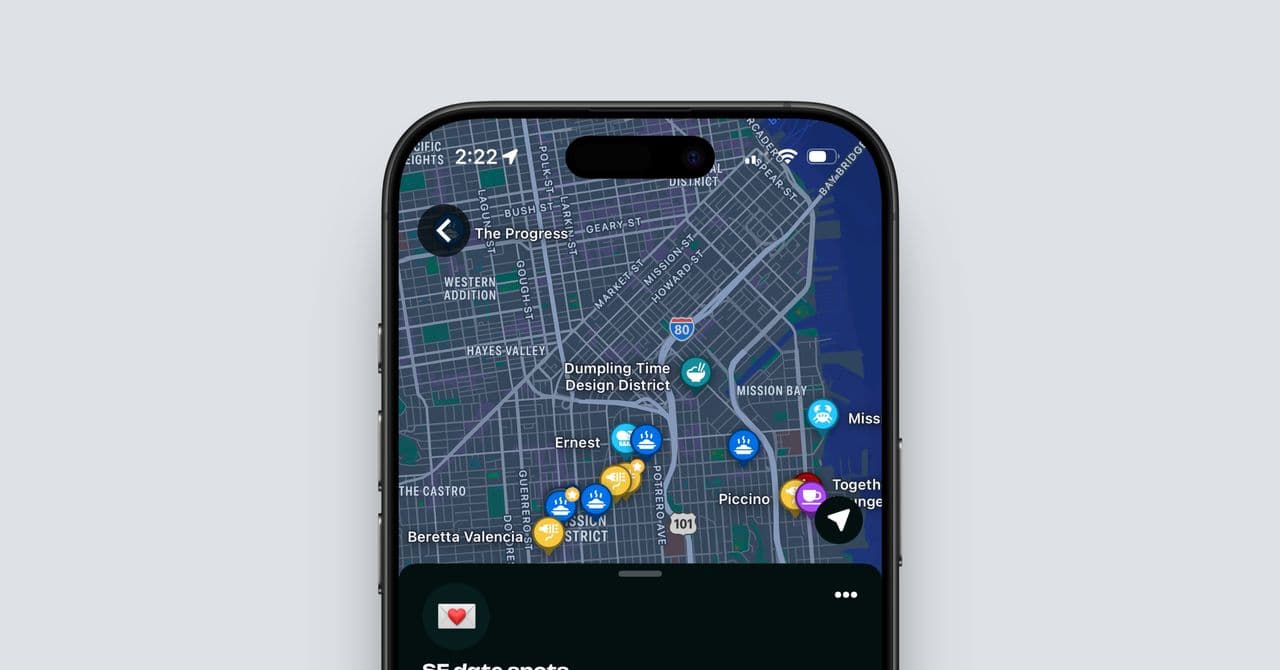
Zest Maps is a new iOS app that automatically logs every restaurant and cafe you visit by tracking your credit card swipes. It then uses AI to analyze your dining history and build a map of personalized recommendations. Think of it as Foursquare for 2025, but without manual check-ins — the app does the work for you.
Founder Mario Gomez-Hall describes it as a "spiritual successor to Foursquare," and he'd know: Foursquare cofounder Dennis Crowley is a beta tester with over 1,000 visits logged. The app launched today for iOS users (no Android yet).
How It Works
You link your credit or debit card via Plaid — the same service used by Google Wallet and Wealthfront. Zest scans transactions for food and drink purchases only. "We're not seeing your OnlyFans," Gomez-Hall says. "We're only looking at food and drink."
Each restaurant visit is automatically added to your profile. You can delete any visit or control who sees it. The AI then analyzes your top cuisines (the founder's profile shows cafe, bakery, Thai, pizza, Japanese) and surfaces nearby spots with photos and vibe descriptions.
Social Features
Zest aggregates user data to highlight up-and-coming restaurants and show where your friends eat. Importantly, it only shows the first visit to a place — no spamming friends with your weekly pizza habit. Chain restaurants are de-emphasized; the app focuses on independent spots.
You can save lists of restaurants you want to visit, and if a friend goes to one, it's highlighted on your map. It's like having a personal food scout network.
Privacy Considerations
Linking your bank account is optional. Zest uses Plaid, which is widely trusted, but the privacy tradeoff is real. The app only sees dining transactions, and you control visibility. Still, sharing financial data with any app carries risk. WIRED's April article on why you should think twice before sharing financial info with AI tools still applies.
Target Audience
Gomez-Hall targets younger adults in major cities with abundant dining options. The app is less useful in rural areas. It's designed to complement — not replace — Google Maps and Yelp. "A niche network is maybe even more valuable," he says. "We want to be the thing about food discovery and tracking."
Developer Takeaways
Zest Maps demonstrates how Plaid and AI can be combined to build a hyper-niche social app. For developers, it's a case study in:
- Using financial data APIs for vertical-specific apps
- Building AI personalization on user transaction history
- Designing privacy controls that build trust
- Focusing on a narrow use case rather than trying to be an everything app
The app's success hinges on user trust and network effects. If it can maintain privacy and deliver accurate recommendations, it might revive the social location-sharing trend for foodies.
What's Next
Zest Maps is iOS-only for now. Android users will have to wait. The app is free with no announced monetization. Gomez-Hall plans to focus on user growth and refinement. For developers, watch how they handle data privacy and whether they expand to other verticals like coffee shops or bars.
If you're in a food-centric city and tired of scrolling through Yelp, Zest is worth a try. Just be aware of the privacy implications.