The Problem: WGS Bottleneck
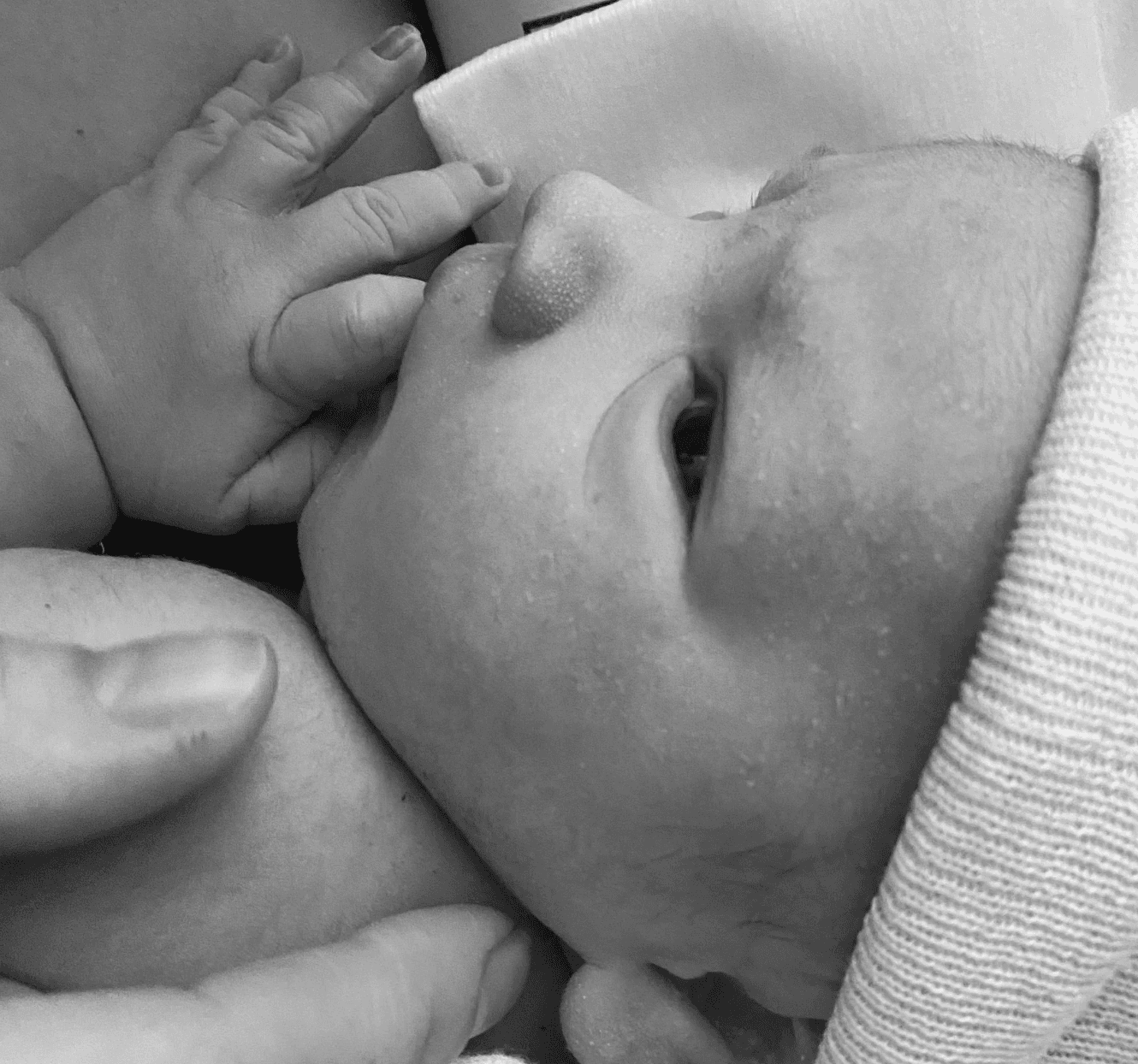
Daniel McKinnon's first son Owen died from alveolar capillary dysplasia (ACD) — a lethal lung disease caused by a missing 91 kilobase enhancer of FOXF1. The diagnosis came only after Owen's death, when Dr. Paweł Stankiewicz reanalyzed his genome. That reanalysis took weeks and required a pathologist-confirmed lung biopsy. McKinnon realized the bottleneck wasn't sequencing — it was human interpretation.
The Solution: Gamow Labs
McKinnon built a prototype that reanalyzes whole genome sequencing (WGS) data using frontier AI models. When he ran it on his own family's genomes, it found the same FOXF1 enhancer deletion that killed Owen — something the top clinical lab missed. He then benchmarked the system on 66 rare-disease cases that clinical labs had left unsolved. His system identified every variant since confirmed as causal, produced zero false positives on negative controls, and cracked at least two cases no one else had solved — one driven by a disease mechanism documented only a handful of times (manuscript in review).
Technical Approach
McKinnon's system combines large language models with domain-specific genomic analysis. It ingests raw WGS files (typically 100-200 GB per genome) and searches for structural variants, non-coding variants, and regulatory element disruptions that standard pipelines often miss. The key innovation is using AI to prioritize variants based on predicted functional impact and known disease associations, rather than relying solely on population frequency filters that discard rare pathogenic variants.
Why It Matters for Developers
Gamow Labs is hiring "Members of Technical Staff" — both computational biologists and AI scientists/engineers with a maniacal interest in biology and genetics. The stack likely involves Python, cloud infrastructure for large-scale genomic data, and integration with clinical databases. If you're interested in applying AI to real-world problems with immediate life-or-death impact, this is a rare opportunity.
The Bigger Picture
McKinnon's thesis: "This is just the beginning of genomics for everyone." The NICU is a test bed for AI-driven clinical genomics, but the learnings will scale to all precision medicine. WGS-upon-admission could save lives and money, but most hospitals can't afford the human expertise to interpret results. Gamow Labs aims to democratize that expertise.
Next Steps
If this mission resonates, reach out to McKinnon directly. He's actively building the team and wants to hear from engineers who can help scale AI-driven genomic analysis to every NICU.