Dell XPS 13 Drops to $699: A New Pricing Strategy to Take on Apple
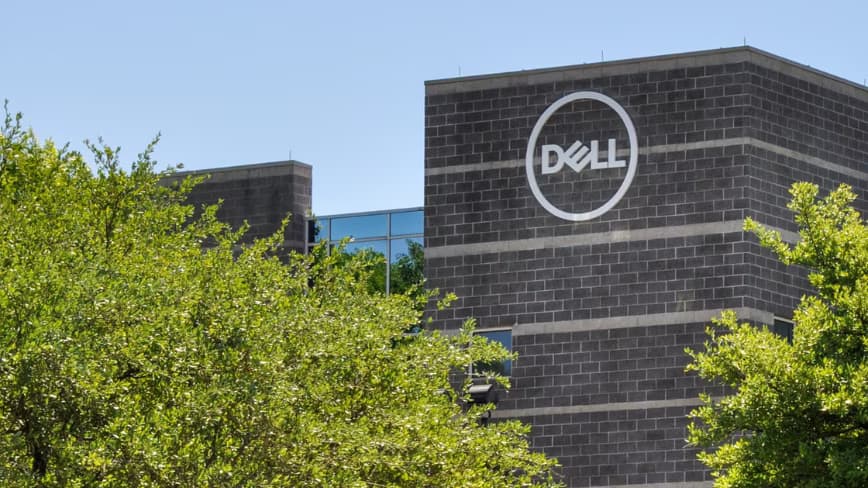
Dell unveiled the new XPS 13 at Computex on Sunday with a starting price of $699 for general consumers and $599 for students. This is the first time the XPS line has launched below $999, signaling a major strategic repositioning to compete directly with Apple's entry-level MacBook Neo.
Hardware Specs: Thinner and Lighter
The new XPS 13 (model DX13260) weighs 2.2 lbs (0.9kg) and measures 0.5 inches (12.7mm) thick, making it the thinnest and lightest XPS ever. For comparison, the MacBook Neo and MacBook Air both weigh 2.7 lbs. The chassis is aluminum, not plastic, which is rare for sub-$700 Windows laptops. The screen is touch-capable.
Intel Wildcat Lake: The x86 Answer to Apple Silicon
The entry-level XPS 13 ships with Intel's new Wildcat Lake CPU. Intel positions Wildcat Lake as a low-power x86 part optimized for the battery-life-and-thermals envelope that Apple Silicon has dominated since 2020. Dell quotes up to 17 hours of streaming battery life.
Wildcat Lake is Intel's attempt to close the efficiency gap with Apple's M-series chips. Independent reviews will determine whether this CPU can deliver competitive performance per watt. If it does, it's a win for x86 consumer laptop relevance. If not, both Dell and Intel have an exposed launch.
Pricing: Matching Apple on Student Tier, Differentiating on Features
Apple's MacBook Neo starts at $599 retail, dropping to $499 for education. The XPS 13 is $100 more at retail ($699) but matches the $599 education price. Dell isn't undercutting Apple on absolute price but is differentiating on weight (0.5 lbs lighter), touchscreen (which macOS users reportedly want), and the flexibility of the Windows OEM ecosystem.
Strategic Shift: From Premium to Volume
The original XPS 13 launched at $999 in 2013, and successive generations held that floor. Dropping the starting price by $300 to $699 signals Dell's consumer-laptop margins shifting from premium-product economics to volume-product economics. Dell believes the only viable play against Apple Silicon is to price aggressively against Apple's entry tier rather than competing for premium customers who have largely switched to Mac.
Computex Context: AI Data Centers vs. Consumer PCs
The launch coincides with Jensen Huang's Computex keynote, where he called Taiwan the "epicentre" of the AI revolution and disclosed $150bn/year Nvidia spending in Taiwan. Dell's announcement reads as a counter-positioning move: while Nvidia and the AI data-center supply chain consolidate in Taiwan, Dell argues that the broader PC industry still has room for interesting consumer products. Whether these two industries are independent is a separate analytical question.
Availability and Next Steps
The XPS 13 ships in June. Initial reviews are expected in the same window. Developers evaluating a Windows laptop for daily work should watch the Wildcat Lake benchmarks closely—if the battery life and performance hold up, this could be the first credible x86 competitor to Apple Silicon in the ultraportable segment. If you're in the market, wait for independent reviews before buying.